
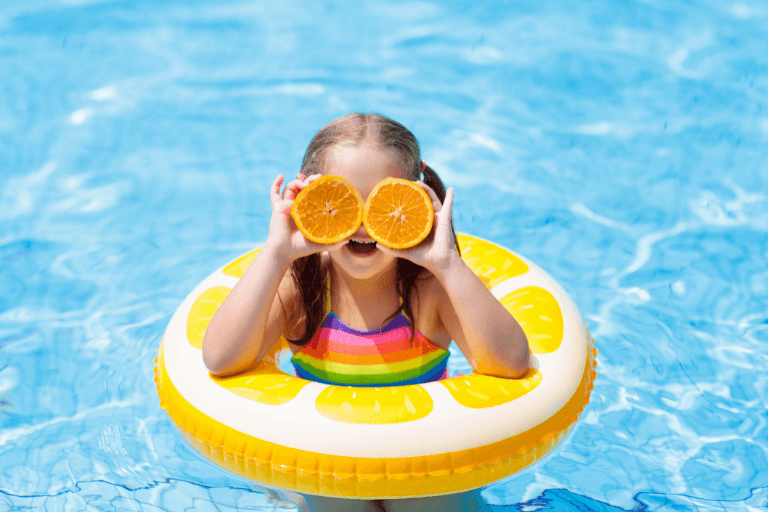
Swimming is a cornerstone of summer life in Dubai. Whether it is the building pool, a beach club, or a water park, most children in the UAE spend a significant portion of the summer months in the water. It is excellent exercise, great fun, and an important life skill, but it also comes with a set of health risks that parents should be aware of, particularly around ear infections and pool hygiene.
Swimmer’s Ear: The Most Common Swimming-Related Infection
Swimmer’s ear, medically known as otitis externa, can be caused by prolonged exposure to water and can cause an infection of the outer ear canal. When water remains trapped in the ear canal, it creates a warm, moist environment in which bacteria multiply rapidly. It is distinct from a middle ear infection (otitis media) and is extremely common among children who swim frequently.
Signs of swimmer’s ear include: Pain in the ear that worsens when the earlobe is tugged or the jaw is moved. Itching inside the ear canal. A feeling of fullness or blocked sensation in the ear. Discharge or odour from the ear. In more advanced cases, reduced hearing or swelling around the ear.
Swimmer’s ear is not the same as glue ear, though both can affect hearing temporarily. If your child has a history of ear problems, our article on how to treat glue ear in children provides a helpful overview of the distinction.
How to Prevent Swimmer’s Ear
Prevention is straightforward and highly effective with a few consistent habits:
Dry ears after every swim. Tilt your child’s head to each side after swimming and gently dry the outer ear with a soft towel. Do not insert cotton buds into the ear canal this pushes debris deeper and can damage the delicate skin lining.
Use well-fitting swim earplugs. For children who swim daily or who have had recurrent ear infections, silicone swim earplugs provide an effective barrier. Ensure they are fitted correctly and cleaned after every use.
Choose pools with proper chlorination. Well-maintained pools with appropriate chlorine and pH levels significantly reduce the bacterial load in the water. Avoid pools that smell strongly of chlorine; paradoxically, this often indicates poorly maintained water chemistry rather than a clean pool.
Avoid swimming with an active ear infection. If your child already has ear pain or discharge, keep them out of the water until they have been assessed and cleared by a paediatrician.
Middle Ear Infections and Swimming
Children who have grommets (ventilation tubes) in their eardrums require specific advice about swimming. Your ENT specialist or paediatrician will guide you on whether surface swimming and showering are safe, and whether deeper diving or submersion should be avoided. Do not rely on general advice for this group; individual guidance is essential.
Children who are prone to recurrent middle ear infections may also find that heavy swimming exposure during summer exacerbates their symptoms. If your child has had three or more ear infections in a year, this pattern is worth discussing at your next paediatric appointment.
Pool Hygiene: What Parents Need to Know
Beyond ear infections, pool hygiene affects a child’s skin, eyes, and gut health. In Dubai’s summer heat, outdoor and indoor pools are heavily used, and the risks of exposure to waterborne bacteria and irritants increase accordingly.
Skin and eyes. Chlorine and other pool chemicals can cause skin dryness, irritation, and contact dermatitis, particularly in children with sensitive skin or eczema. Rinse your child thoroughly with fresh water immediately after swimming, apply a gentle moisturiser, and ensure they wear well-fitted goggles to protect their eyes. For children with eczema, our article on paediatric eczema: triggers and management in the UAE climate covers how to manage flare-ups during heavy pool exposure.
Waterborne illness. Swallowing pool water is a common route of infection for gastrointestinal illnesses caused by bacteria such as E. coli and parasites such as Cryptosporidium. These organisms can survive in chlorinated water, particularly in pools with suboptimal maintenance. Teach children not to swallow pool water, ensure they shower before entering the pool, and keep children with diarrhoea or gastroenteritis out of the water entirely until fully recovered.
Sun exposure at the poolside. In Dubai summers, UV exposure at outdoor pools is extreme. Apply a broad-spectrum, water-resistant SPF 50 sunscreen at least twenty minutes before swimming, reapply every two hours, and ensure your child has access to shade, a hat, and protective clothing during breaks. Our article on how to protect your baby’s skin from the sun provides detailed guidance for younger children.
Hydration: A Critical Factor Often Overlooked
Children playing in and around water often do not feel thirsty; the cooling effect of water masks their body’s signals. In Dubai’s summer heat, this makes dehydration a real risk even at the pool. Ensure your child drinks water regularly throughout a swimming session, not just when they ask for it. Our article on the best ways to keep kids hydrated this summer is a practical guide for parents managing hydration during the UAE summer months.
Beach Swimming Safety in Dubai
Open water swimming in Dubai, whether at Jumeirah Beach, Kite Beach, or beach clubs along the coast, carries additional considerations. Always supervise children closely in open water, regardless of swimming ability. Observe warning flags and never allow children to swim when red flags are displayed. Jellyfish are present in UAE waters, particularly in summer. Teach children to avoid touching any jellyfish, dead or alive, and to report any contact immediately. Saltwater can also cause ear discomfort; the same drying principles apply after sea swimming as after pool swimming.
When to See a Pediatrician
See your paediatrician promptly if your child develops ear pain, discharge, or significant hearing change after swimming, if a skin rash, eye infection, or gastrointestinal symptoms develop following pool or beach exposure, or if your child develops a fever after a swimming session that does not resolve quickly.
Our Paediatric Health and Wellness clinic sees children for swim-related ear, skin, and infection concerns throughout the year. Prompt assessment means faster recovery and fewer complications. You can also stay ahead of summer health risks by keeping your child’s vaccinations up to date. Our childhood vaccination schedule UAE 2026 guide is a helpful reference.
Swimming is one of the best activities you can give your child in Dubai for fitness, confidence, and enjoyment. With the right precautions in place, the health risks are easily managed. If any ear, skin, or infection concerns arise after a swim, do not hesitate to seek advice early.
Book a paediatric consultation at our Dubai Healthcare City clinic. We are here to keep your child healthy all summer long.