
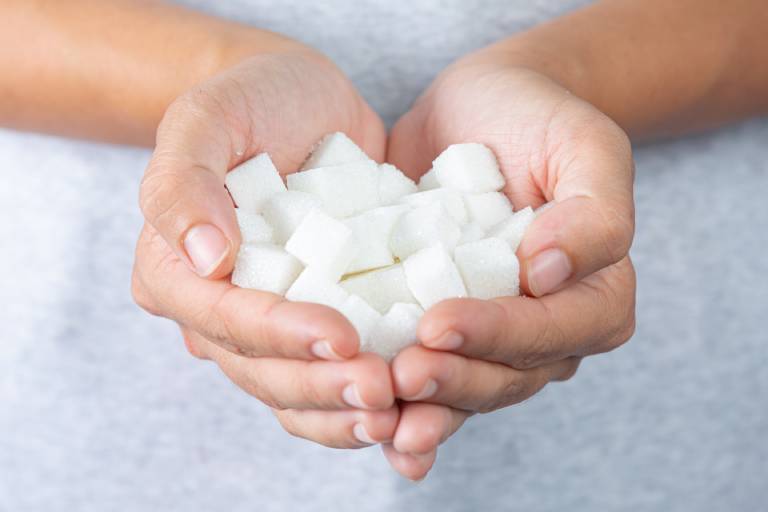
Many parents fear that sugar will instantly transform their children into little rockets, running, shouting, and bouncing with boundless energy. This belief has persisted for decades, and expressions like “sugar rush” or “sugar hyperactivity” are now part of everyday parenting vocabulary. But is sugar really responsible for this hyperactivity, or is it more complex?
In this article, we’ll take a detailed look at what science says. You’ll discover why the hyperactivity myth persists, how added sugars affect blood sugar levels, how the brain’s reward system responds, and why some children may react differently depending on their metabolism, diet, and any existing attention deficit disorders.
Concrete observations and rigorous research, including placebo-controlled and double-blind studies, help parents gain a better understanding of their child’s behavior.
Why Sugar Gets Blamed: Understanding the Myth
For years, sugary snacks have been blamed for children’s “hyperactivity.” Birthday parties, holidays, and celebrations often involve sugar, so it’s easy to associate the resulting fun with sugary foods. This is where confirmation bias creeps in: parents expect their children to be hyperactive, so they interpret any enthusiasm as evidence.
However, numerous meta-analyses and placebo-controlled studies have not consistently shown a link between added sugars and hyperactivity. In fact, the well-known parental expectancy effect has been demonstrated, that when parents believe their children consume sugar, they tend to rate them as more hyperactive—even when the child is drinking a sugar-free beverage.
Although the myth may seem convincing, scientific evidence does not support the idea that sucrose, glucose, fructose, or even high-fructose corn syrup (HFCS) directly causes hyperactivity.
What Actually Happens in the Body After Sugar Intake?
Sugar significantly affects energy regulation. Sugary foods and refined carbohydrates cause a rapid rise in blood glucose levels, followed by a sharp drop. This fluctuating cycle of highs and lows can affect a child’s mood and behavior in several ways:
- Irritability and mood swings: The crash that follows a high-GI food can make children more emotional or short-tempered.
- Tiredness: After the insulin response lowers blood sugar, kids may feel sluggish.
- Difficulty concentrating: Low blood glucose can temporarily affect focus and cognitive performance.
These reactions often appear to be behavioral problems, although they are more related to metabolic changes than actual hyperactivity.
Sugar and the Brain: Dopamine, Cravings, and Reward Response
Sugar doesn’t just affect the body—it strongly influences the brain. When kids consume sugar, it activates the brain’s dopamine-driven reward system, creating feelings of pleasure. This is why sugar-sweetened beverages (SSBs) and snacks often become the foods children crave the most.
Young children, whose reward pathways are still developing, may exhibit addictive-like behaviors, seeking more sugar to get the same dopamine rush. This doesn’t mean sugar is truly addictive, but the reward-response pattern is strong enough to influence cravings and impulses.
This cycle can indirectly affect behavior, especially if the child becomes irritable when deprived of sugary snacks or becomes overly focused on obtaining them.
Indirect Ways Sugar Can Influence Behavior
Excessive sugar intake is linked to several long-term health challenges, including:
- Childhood obesity
- Insulin resistance
- Increased risk of type 2 diabetes mellitus
- Higher cardiometabolic risk
- Dental caries and tooth discomfort, which can make children more irritable
While these conditions don’t cause immediate hyperactivity, they do affect sleep, mood, and overall energy levels. A child who doesn’t sleep well or feels unwell is naturally more prone to mood swings, inattention, or irritability—behaviors that parents may mistakenly attribute to the sugar itself.
Sugar and Children With Attention Difficulties
Some children respond differently to sugar due to underlying conditions such as Attention Deficit Hyperactivity Disorder (ADHD) or other attention-related challenges. A few small studies suggest that children with attention disorders may experience changes in inattention, impulsivity, or irritability after consuming high-GI foods or added sugars.
However, the evidence remains limited and conflicting. There is no conclusive proof that sugar causes ADHD symptoms, but there is individual sensitivity. This makes personal observation crucial, as parents know their children’s patterns better than anyone else.
The Hidden Factors: Additives, Colors, and Preservatives
Sugar is often found with added ingredients, particularly in sweets, packaged snacks, and beverages. Artificial dyes, preservatives, and some food colorings have been tested for potential behavioral effects in some children.
Although research results are mixed, some evidence suggests that these additives—rather than sugar—may contribute to irritability or inattention. Therefore, it’s helpful to evaluate the entire ingredient list, not just the sugar.
How to Know if Sugar Is Affecting Your Child?
Because metabolism and sensitivity vary from child to child, monitoring individual reactions is crucial. Some signs to watch for include:
- Noticeable mood swings after consuming sweets
- A pattern of irritability following sugar crashes
- Trouble focusing shortly after eating high-GI snacks
- Sleep disruptions linked to evening sugar intake
- Emotional reactions when denied sugary foods
Parents can keep a simple record comparing meals, snacks, sleep, screen time, and behavior. They may find that factors such as excessive fatigue, overstimulation, or stress play a larger role than sugar itself.
Best Practical Tips for Parents
Supporting healthier eating habits doesn’t mean banning all sugar. Instead, focus on balance and awareness.
• Moderate added sugars
Follow World Health Organization (WHO) and American Academy of Pediatrics (AAP) guidelines, which recommend limiting added sugars in children’s diets.
• Choose low-GI snacks
Pair fruits with protein or fiber to stabilize blood sugar levels.
• Swap sugary drinks
Replace SSBs with water, milk, or low-sugar options.
• Make treats predictable
Having sugar at structured times prevents cravings from dominating behavior.
• Build balanced meals
Combining proteins, healthy fats, and whole grains helps maintain steady energy and better executive function during the day.
Conclusion
Sugar doesn’t directly cause hyperactivity—this has been repeatedly proven by robust scientific research—but it can affect energy levels, mood, and concentration through blood sugar fluctuations and dopamine-induced food cravings. These indirect effects are real, and they are more pronounced in some children than others.
There’s no need to be completely afraid of sugar. What’s important is balance, moderation, and understanding your child’s unique response to the situation. By adopting conscious habits and food awareness, you can foster more stable behavior and healthy growth in the long run.
Expert Pediatric Guidance: When Should You Consult a Doctor?
If you’re concerned about your child’s behavior, a pediatrician, Dr Olfa Koobar, can help assess their diet, habits, and overall health to guide you toward the right steps. Make an appointment to get personalized guidance today.