
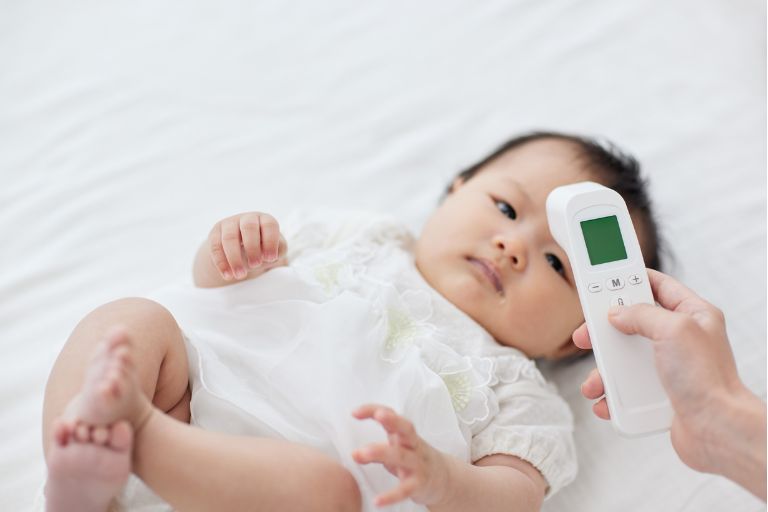
Dengue fever strikes fear into parents’ hearts, especially in tropical regions where mosquito bites are a daily risk. For children, this viral illness, spread by Aedes mosquitoes, can escalate quickly from a mild fever to severe complications.
If you’re searching for “dengue fever in children,” you’re likely a concerned parent seeking clear facts on recognizing dengue symptoms in children early, preventing dengue in children, and understanding the best treatment options for dengue in children. This guide breaks it down simply, with actionable steps to safeguard your little ones.
What Is Dengue Fever and Why Are You at Higher Risk?
Dengue fever is a viral infection caused by the dengue virus (DENV), transmitted through bites from infected Aedes aegypti or Aedes albopictus mosquitoes. It thrives in warm, humid climates like parts of Asia, Africa, and the Americas, with over 400 million cases worldwide annually, per WHO data.
Children face elevated risks because their immune systems are still developing, making severe dengue—once called dengue hemorrhagic fever—more likely. Kids under 15 account for a significant portion of hospitalizations, often progressing to plasma leakage, shock, or organ failure if untreated.
Key Dengue Statistics for Children
- Global Impact: 96 million symptomatic cases yearly, with children hit hardest in endemic areas.
- Severity: Up to 1 in 20 children with secondary infections develop severe dengue.
- Source: WHO Dengue Factsheet
Early awareness saves lives—let’s dive into the signs.
Recognizing Dengue Symptoms in Children: Early Warning Signs
Dengue symptoms in kids mimic a common flu at first, delaying diagnosis. The illness unfolds in phases: febrile (2-7 days), critical (24-48 hours), and recovery. Watch closely, as symptoms peak around day 3-7.
Common Early Dengue Symptoms in Kids
- High fever (up to 104°F/40°C), sudden onset.
- Severe headache and pain behind the eyes.
- Muscle and joint pain (“breakbone fever”).
- Nausea, vomiting, and loss of appetite.
Warning Signs of Severe Dengue in Children
Seek immediate medical help if your child shows:
- Persistent vomiting (3+ times in 24 hours).
- Abdominal pain or tenderness.
- Bleeding gums, nosebleeds, or easy bruising.
- Fatigue, restlessness, or rapid breathing.
- Cold, clammy skin or swollen limbs (signs of plasma leakage).
Pro Tip: Use the “tourniquet test” at home—tie a blood pressure cuff on the arm for 5 minutes. If 20+ red spots appear below it, rush to the doctor. Blood tests confirm dengue via NS1 antigen or IgM antibodies.
Dengue Fever Phases in Children: What to Expect
Understanding phases helps parents track progress.
Febrile Phase (Days 1-5)
Fever dominates, with rash in 50-80% of kids. Hydrate aggressively.
Critical Phase (Days 4-7)
Fever drops, but danger rises—monitor for shock. Hospitalization may be needed.
Recovery Phase (Days 7+)
Appetite returns; energy rebounds in 1-2 weeks. Full recovery is common with prompt care.
Preventing Dengue in Children: Practical Strategies for Families
No vaccine is universally available for kids under 9 in most regions, so prevention is key. Focus on mosquito control and bite avoidance.
Top Prevention Tips for Dengue in Children
- Eliminate Breeding Sites: Empty standing water from flowerpots, tires, and buckets weekly—Aedes mosquitoes breed in tiny water volumes.
- Use Repellents Safely: Apply DEET (10-30% for kids over 2 months) or picaridin on exposed skin. Reapply every 4-6 hours.
- Protective Clothing: Long sleeves, pants, and socks during dawn/dusk peaks. Mosquito nets for sleeping.
- Home Fortification: Install screens on windows/doors; use coils or vaporizers indoors.
- Community Action: Join fogging drives; report stagnant water to local health authorities.
For high-risk areas, consider the Dengvaxia vaccine for kids 9-16 with prior dengue (consult a pediatrician).
Actionable Checklist:
| Prevention Step | Frequency | Why It Works |
| Remove standing water | Weekly | Stops larvae growth |
| Apply repellent | Every 4-6 hours outdoors | Blocks bites |
| Use bed nets | Nightly | Shields sleeping kids |
| Wear long clothes | Dawn/dusk | Covers skin |
Dengue Treatment for Kids: Supportive Care That Works
No specific antiviral cures dengue—treatment focuses on symptom relief and preventing complications. Always consult a doctor; self-medication risks liver damage.
Home Care for Mild Dengue Symptoms in Children
- Hydration First: Oral rehydration solution (ORS), coconut water, or diluted fruit juices. Aim for 5ml/kg/hour.
- Fever Management: Paracetamol (acetaminophen) at 10-15mg/kg every 6 hours. Avoid aspirin/ibuprofen—they increase bleeding risk.
- Rest and Nutrition: Light meals like rice, bananas; monitor urine output (should be pale yellow).
When to Hospitalize for Dengue Treatment in Children
IV fluids, blood transfusions, or oxygen for severe cases. Early intervention drops mortality from 20% to under 1%.
Age-Based Dosing Example (Paracetamol):
| Child’s Age/Weight | Dose (mg) | Frequency |
| 1-3 months (<6kg) | 40-60 | Every 6 hrs |
| 3-12 months (6-8kg) | 60-120 | Every 6 hrs |
| 1-5 years (9-18kg) | 120-240 | Every 6 hrs |
Always verify with a pediatrician; dosages per WHO guidelines.
Dengue Fever in Children: Myths vs. Facts
Myth: Dengue only happens in rainy seasons.
Fact: Aedes breed year-round in urban areas.
Myth: Garlic or vinegar repels mosquitoes effectively.
Fact: EPA-approved repellents are proven; home remedies offer minimal protection.
Conclusion
Dengue fever in children is preventable and treatable with vigilance. Spot dengue symptoms in kids early, prioritize preventing dengue in children through daily habits, and seek expert dengue treatment for kids at the first warning sign. At Dr Olfa Koobar, we’re here to support your family’s health—book a consultation today for personalized advice.
Stay proactive: Teach kids mosquito safety and keep emergency contacts handy. With these tools, you can protect your child from dengue’s grip.